 Foundation for Human Security Initiative
Environment: Safeguarding Uganda's Natural Foundation
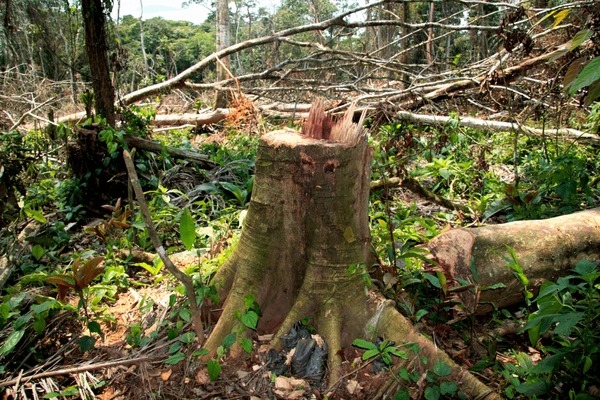
A healthy environment is the bedrock of all human security. Deforestation, soil degradation, wetland loss, and climate change are eroding the natural systems that millions of Ugandans depend on for food, water, and livelihoods.
FHSI’s Environment program works hand-in-hand with communities to restore ecosystems, promote sustainable land use, and build resilience against climate shocks — ensuring that today’s development does not compromise tomorrow’s survival.
What We Do
- Restore degraded wetlands, forests, and watersheds
- Promote agroforestry and farmer-managed natural regeneration
- Support community-led conservation of national parks and reserves
- Train farmers in climate-smart agriculture and soil conservation
- Establish tree nurseries and distribute millions of indigenous seedlings
- Advocate for stronger enforcement of environmental laws and policies
- Integrate disaster risk reduction and early-warning systems
Why It Matters
Uganda has lost over 60% of its forest cover in the last three decades. Wetlands — our natural water filters — continue to disappear at an alarming rate. Climate change is intensifying floods, droughts, and landslides, displacing families and destroying crops.
When the environment suffers, human security collapses: food becomes scarce, water sources dry up, diseases spread, and conflicts over resources escalate.
Strategy 50 Target
By 2050, FHSI aims to restore or protect 500,000 hectares of critical ecosystems and increase national tree cover in our program areas by at least 30%, dramatically reducing climate-related human security threats and building a sustainable future for all Ugandans.
Protecting Uganda’s environment is not just about trees and wetlands — it’s about protecting people. At FHSI, every seedling planted, every wetland restored, and every community empowered is an investment in lasting human security.
Support Environmental Protection